
We’ll discuss your symptoms, existing care and recovery goals, and consider suitable bodywork and practical advice for your stage of recovery.
Sports Massage Therapy & Remedial Bodywork
Sports Massage Therapy & Remedial Bodywork brings together hands-on treatment, movement and practical advice, tailored to your individual needs. I hold a nationally recognised Level 4 Diploma in Sports Massage Therapy and have also studied Shiatsu and Tui Na (Japanese & Chinese therapeutic massage). With around 20 years of clinical experience, my approach extends beyond massage to include focused bodywork and support for recovery and rehabilitation.
Whether you’re dealing with a sports injury, recurring muscular tension or a troublesome area affecting everyday life, PJY Therapies focuses on understanding your concerns and working towards your goals. You don’t need to be an athlete—treatment is adapted to your needs, comfort and stage of recovery.
Sports Massage Therapy & Bodywork can include deep tissue massage, targeted soft tissue techniques, gentle mobilisation, assisted stretching, cupping, kinesiology taping, infra-red heat therapy and dry needling, where appropriate. Alongside hands-on treatment, we may explore exercises, rehabilitation advice and practical ways to manage the demands of work, training and daily life, with an emphasis on recovery, injury prevention and confidence in movement.
Targeted Care for Pain & Injury
Focused treatment starts with understanding the area troubling you, how it affects your life and what you want to get back to doing.
Muscular Tension & Problem Areas
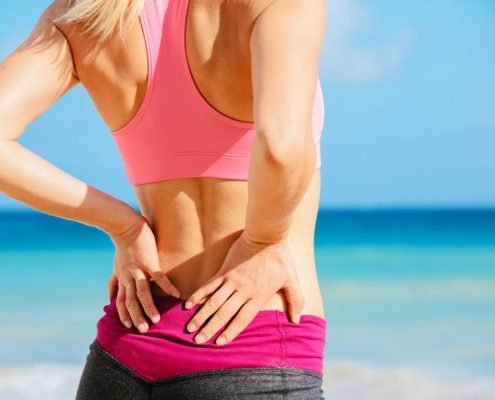
From a tight neck and shoulders to recurring discomfort around the back, hips or legs, sessions can focus on the areas that need attention.
Hands-on techniques are selected to suit your comfort, with time to review how you respond.
Sports Injury & Recovery
Movement, Rehabilitation & Everyday Wellbeing
A practical approach shaped around your activity, routines and individual goals.
Rehabilitation & Return to Activity
Exercise and movement advice can complement your treatment, with manageable steps towards the activities that matter to you.
Mobility & Flexibility
Gentle mobilisation and assisted stretching may form part of your session, alongside movements you can practise between appointments.
Training & Injury Prevention
We can explore training demands, recovery habits and recurring areas of tension, with advice aimed at managing these demands more effectively.
Work & Everyday Tension
You don’t need a sporting injury to book. Sessions can also focus on the muscular tension associated with desk work, physical jobs and busy everyday routines.
Supporting your treatment
These techniques may be included according to your needs and preferences, and discussed with you before treatment.
Massage & Bodywork
A form of Chinese therapeutic massage using a range of hands-on techniques. Pressure and movement are adapted to your needs and comfort.
Cupping
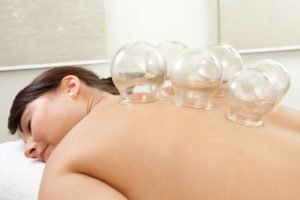
Cups create suction on the skin and can be used in a fixed position or moved across an area. Cupping may complement your acupuncture and bodywork session.
Gua Sha
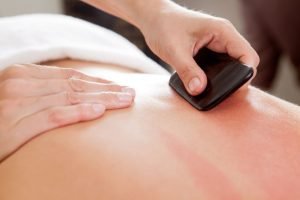
A traditional technique using a smooth-edged tool stroked across lubricated skin. The treatment is tailored to the area being worked on and your comfort.
Dry Needling Acupuncture
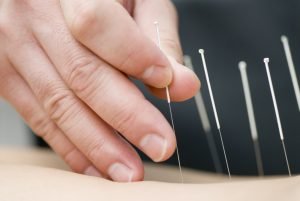
A traditional warming technique using the herb mugwort near selected acupuncture points. It may be included where gentle warmth suits your treatment.
- Sports Therapy & Remedial Bodywork£701 hour
Time to focus on your recovery
For both injury prevention & recovery
Do I need to be sporty to have a treatment?
No. Appointments are suitable for anyone experiencing aches, pain, muscular tension & any type of injury weather on the playing field, in the work place or at home.
What happens at my first appointment?
We’ll discuss your symptoms, health history and goals, then agree a suitable approach before treatment begins.
Will every session use all the different techniques you offer?
No. Techniques are selected for your individual needs, explained and agreed with you.
How many treatments will I need?
This depends on your symptoms, how long they’ve been present and your goals. For an ongoing concern, I generally suggest an initial course of 3–4 appointments to see how you respond. We’ll review your progress regularly and adapt your treatment and any exercise advice, discussing whether further sessions would be useful.