
TCM Acupuncture
Traditional Chinese Medicine (TCM) acupuncture takes a whole-person approach, considering your symptoms alongside your general health and wellbeing. It draws on the traditional concept of Qi—the body’s vital energy—and uses fine needles at carefully selected points, with the traditional aim of restoring balance.
Rather than looking at a concern in isolation, a TCM approach explores how different aspects of your health may relate to one another. Your appointment offers time to discuss your symptoms, health history, sleep, digestion and everyday stresses, helping shape an individual approach to your treatment.
With a BSc (Hons) in Traditional Chinese Acupuncture and around 20 years of clinical experience, I bring an experienced, thoughtful approach to your care. At PJY Therapies, each session is tailored to you, with time to ask questions and discuss your needs and preferences. Whether you come with a specific concern or want to focus on your wider wellbeing, you’ll find a calm, supportive space to pause, relax and be heard.
Pain Management
Pain can make everyday things harder—from getting comfortable at night to enjoying work, exercise or time with family. My particular focus is working with people experiencing pain and musculoskeletal concerns, with treatment shaped around the individual.
Muscular-Skeletal Conditions
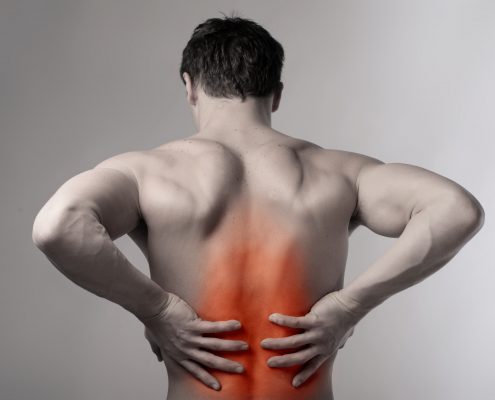
Whether you’re dealing with back or neck pain, an uncomfortable shoulder, or concerns around your hips and knees, your appointment gives us time to understand the problem and its effect on your life.
We’ll discuss whether acupuncture is suitable for your symptoms and review how you respond.
Headaches & Migraines

Recurring headaches and migraines can be exhausting and disruptive. We’ll take time to understand your experience, your existing care and how headaches affect your day.
Together, we can agree meaningful goals and review your progress.
Whole-person health & wellbeing
You don’t have to arrive with everything neatly explained. Your appointment is a space to talk about how you’re feeling and consider your health as a whole.
Stress & Emotional Wellbeing
When life feels demanding, it can be difficult to switch off. Appointments offer a calm setting in which to pause, be heard and focus on yourself.
Sleep & Rest
We’ll explore your sleep alongside your routines, emotional wellbeing and wider health, and discuss whether acupuncture is an appropriate addition to your care.
Digestive Conditions
Changes in appetite, bloating or ongoing digestive concerns can be discussed alongside any diagnosis or medical treatment, helping build a fuller picture of your health.
Women’s Health & Fertility
From menstrual changes to menopause or trying to conceive, your appointment offers time to talk openly and consider your wellbeing alongside any medical or fertility care.
Supporting your acupuncture treatment
These techniques may be included according to your needs and preferences, and discussed with you before treatment.
Tui-Na Massage
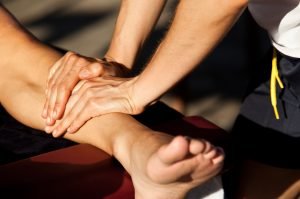
A form of Chinese therapeutic massage using a range of hands-on techniques. Pressure and movement are adapted to your needs and comfort.
Cupping
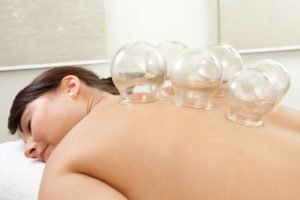
Cups create suction on the skin and can be used in a fixed position or moved across an area. Cupping may complement your acupuncture and bodywork session.
Gua Sha
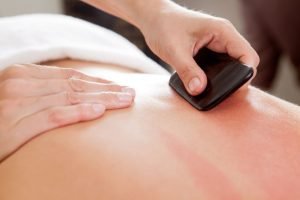
A traditional technique using a smooth-edged tool stroked across lubricated skin. The treatment is tailored to the area being worked on and your comfort.
Moxibustion
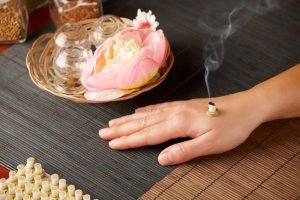
A traditional warming technique using the herb mugwort near selected acupuncture points. It may be included where gentle warmth suits your treatment.
- TCM Acupuncture£701 hour
TCM Acupuncture
Book a traditional acupuncture treatment today and start to feel the benefits of this natural therapy.
Frequently Asked Questions
How does acupuncture work?
In Traditional Chinese Medicine, acupuncture aims to support the smooth flow of Qi—the body’s vital energy—and restore balance. Treatment considers your symptoms alongside your overall health and wellbeing.
From a modern physiological perspective, research suggests that needling can influence the nervous system, including how pain signals are processed and the release of the body’s natural pain-relieving chemicals. Its mechanisms are still being researched and are not fully understood.
Does acupuncture hurt?
Acupuncture uses very fine needles. You may feel a brief prick as a needle is inserted, followed by a mild ache, tingling or heaviness. Treatment should not feel sharply painful. If anything feels uncomfortable, tell me straight away so I can adjust or remove the needle.
What happens at my first appointment?
We begin by discussing your symptoms, medical history, medications and what you would like help with. I may also look at your tongue and feel your pulses as part of a traditional Chinese medicine assessment. I’ll explain the proposed treatment, answer your questions and agree an approach with you before starting.
How many treatments will I need?
This depends on your symptoms, how long they have been present and how you respond. Some people notice changes early on; others need a longer course. We’ll agree an initial plan and review your progress regularly, adapting treatment and discussing whether continuing is worthwhile. In my experience I tend to suggest 3-4 treatments initially to see how you respond.
Is acupuncture safe?
Is acupuncture safe?
Acupuncture is generally safe when carried out by a suitably qualified practitioner using sterile, single-use needles. Minor side effects can include bruising, slight bleeding, soreness or feeling faint; serious complications are rare. Please tell me about your medications, any bleeding disorder, pregnancy or other health conditions so I can assess suitability and adapt your treatment.
What should I wear or do before a treatment?
What should I wear or do before treatment?
Wear comfortable, loose clothing that can be rolled up to give access to your arms and legs. Depending on the treatment area, you may need to remove some clothing, with towels provided for privacy. Have a light meal or snack beforehand rather than arriving hungry, and bring details of any medications you take.
How might I feel afterwards?
You may feel relaxed or a little tired afterwards, although responses vary. Mild soreness, a small bruise or a temporary increase in symptoms can occur. Give yourself time before returning to demanding activities and avoid driving if you feel dizzy or drowsy. Contact me if any after-effects persist or cause concern.